

Hotel Marmara · August 1, 2026
When to Visit Çanakkale? A Guide to the Seasons
Spring, summer or autumn? Which season suits Çanakkale best, what changes around 18 March and Anzac Day, and how do the ferries fare in winter? A season-by-season guide.
When Should You Visit Çanakkale? The Short and Long Answers
The short answer: spring (April to June) and autumn (September to October) are the most balanced times for Çanakkale — good weather for sightseeing, manageable crowds and gentler prices than high summer. The longer answer depends on why you are coming. The right time for someone visiting the Gallipoli memorials is not the same as for someone coming to swim. This guide takes each season in turn and explains who it suits and what to watch out for. At the end we list the region's busiest dates; if you are travelling then, you will need to book early.
Spring (April - June): The Best Time for Sightseeing
If you are coming to Çanakkale for history and culture, spring is comfortably the best choice. The weather suits walking the wide expanse of the Gallipoli Peninsula and the ruins of Troy, where long walks in high summer heat can be draining. The countryside is green, the views across the strait are clear, and photographs come out at their best. Crowds are more moderate than in summer — with one exception: around Anzac Day on 25 April, the region grows considerably busier with visitors from Australia and New Zealand, and accommodation fills early. Early April or June is ideal if you want both good weather and relative quiet.
Summer (July - August): Sea and Islands
Summer is the season for those who want Çanakkale's seaward face. Bozcaada, Güzelyalı and the nearby coast come alive; the waterfront buzzes in the evenings, restaurants are full and the city feels energetic. Two cautions, though. First, open-air visits such as Gallipoli and Troy are hard work in the midday heat — we suggest scheduling those tours for early morning or late afternoon. Second, July and August are the region's busiest months and the hardest for finding a room, while vehicle queues at the ferries grow longer. If you are coming in summer, book weeks in advance.
Autumn (September - October): Calm and Balanced
For many travellers September is Çanakkale's sweetest month: the sea is still warm, the summer crowds have dispersed and the weather suits sightseeing. October is comfortable for exploring too — ideal for walking the promenade, eating fish facing the strait and touring Gallipoli in cooler air. Finding accommodation is far easier than in summer, and the city moves at a calmer rhythm. Come midweek and you can have the waterfront almost to yourself. We particularly recommend this season for photography and for a quiet weekend escape.
Winter (November - February): A Quiet City, a Different Strait
Winter is Çanakkale's least-known season, but it has a character of its own. The strait looks more dramatic in winter — windy, rough and striking. The city is quiet, tables are easy to find, and it is the most affordable time to stay. There are things to watch, though: in windy weather ferry services can be affected by conditions, so if you are planning Gallipoli or Bozcaada, keep your schedule flexible and confirm sailings before you set out. Warm clothing is essential for open-air visits. Build a programme around museums and indoor sites and winter in Çanakkale can be thoroughly enjoyable.
The Region's Busiest Dates: Book Early
Two dates stand apart in Çanakkale's calendar. The first is 18 March, the anniversary of the naval victory and the day commemorating the fallen, when the city and the Gallipoli Peninsula fill with visitors from across Turkey and memorial ceremonies are held. The second is Anzac Day on 25 April, when the peninsula hosts an international gathering of visitors from Australia and New Zealand. Public holidays, school holidays and the July-August period are busy too. If you are travelling on these dates: reserve your accommodation as early as you can, allow extra time for ferry crossings, and choose to stay in the city centre — parking and reaching the centre from outside town both become harder at peak times.
Whenever You Come: The Advantage of Staying Central
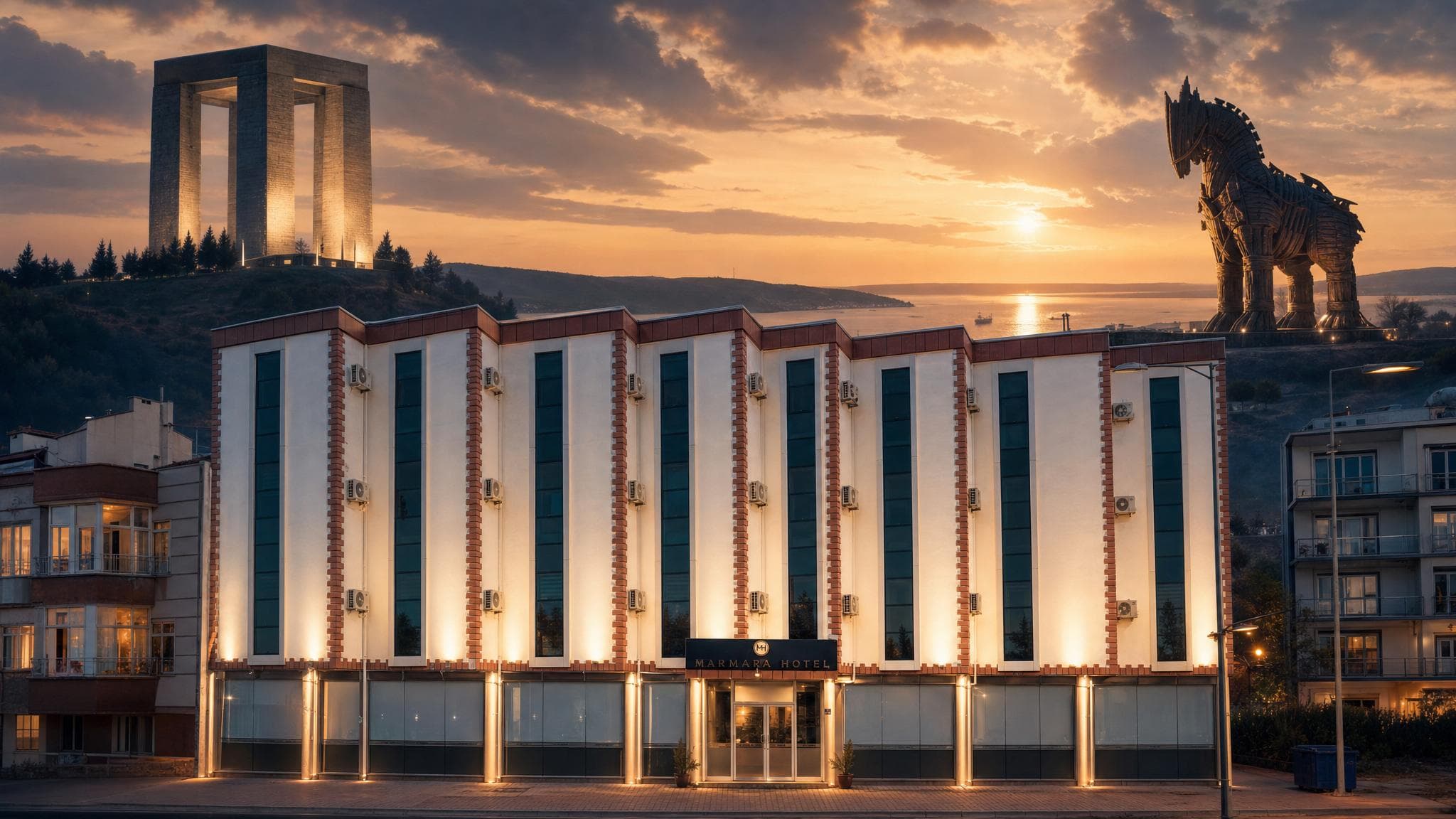
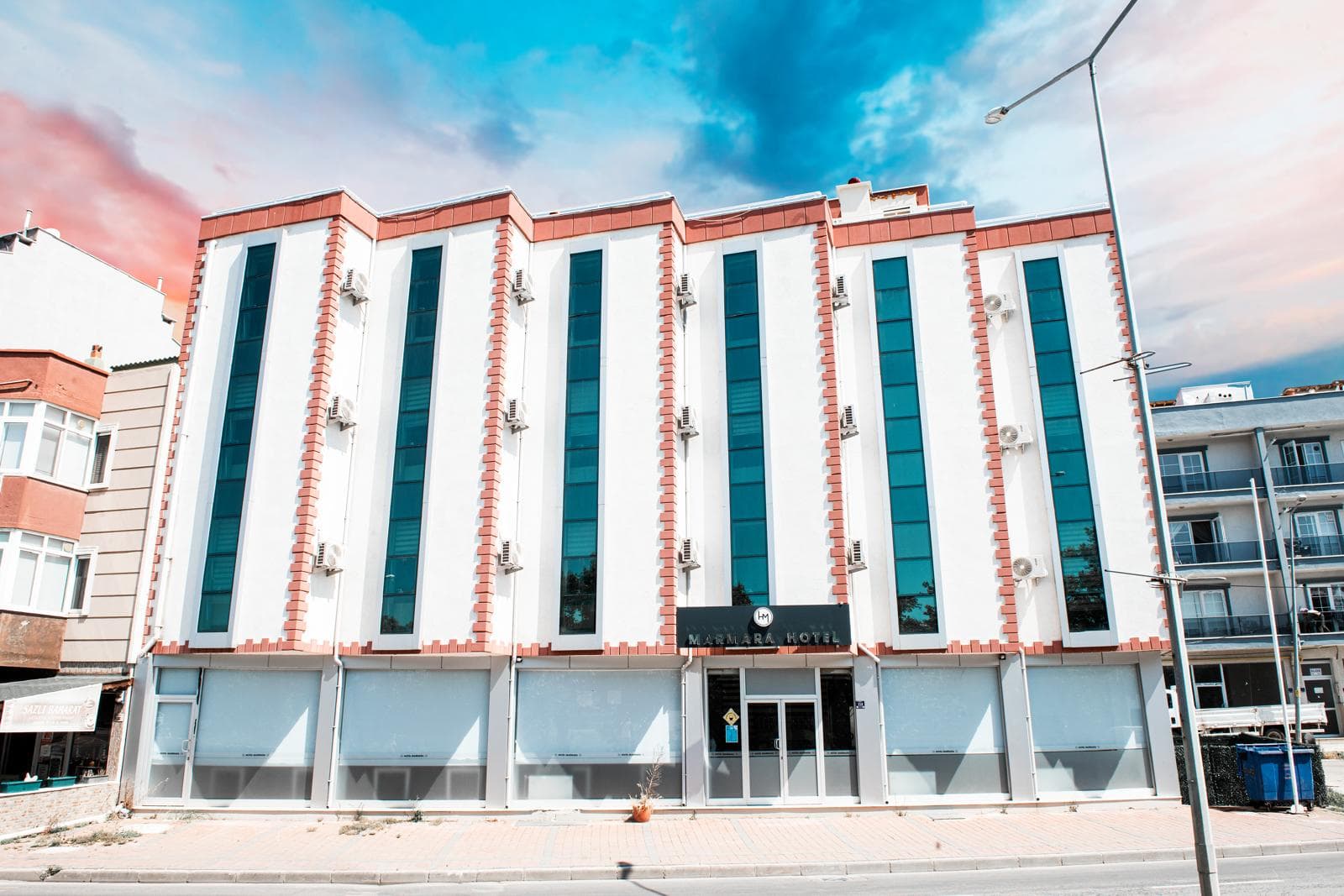
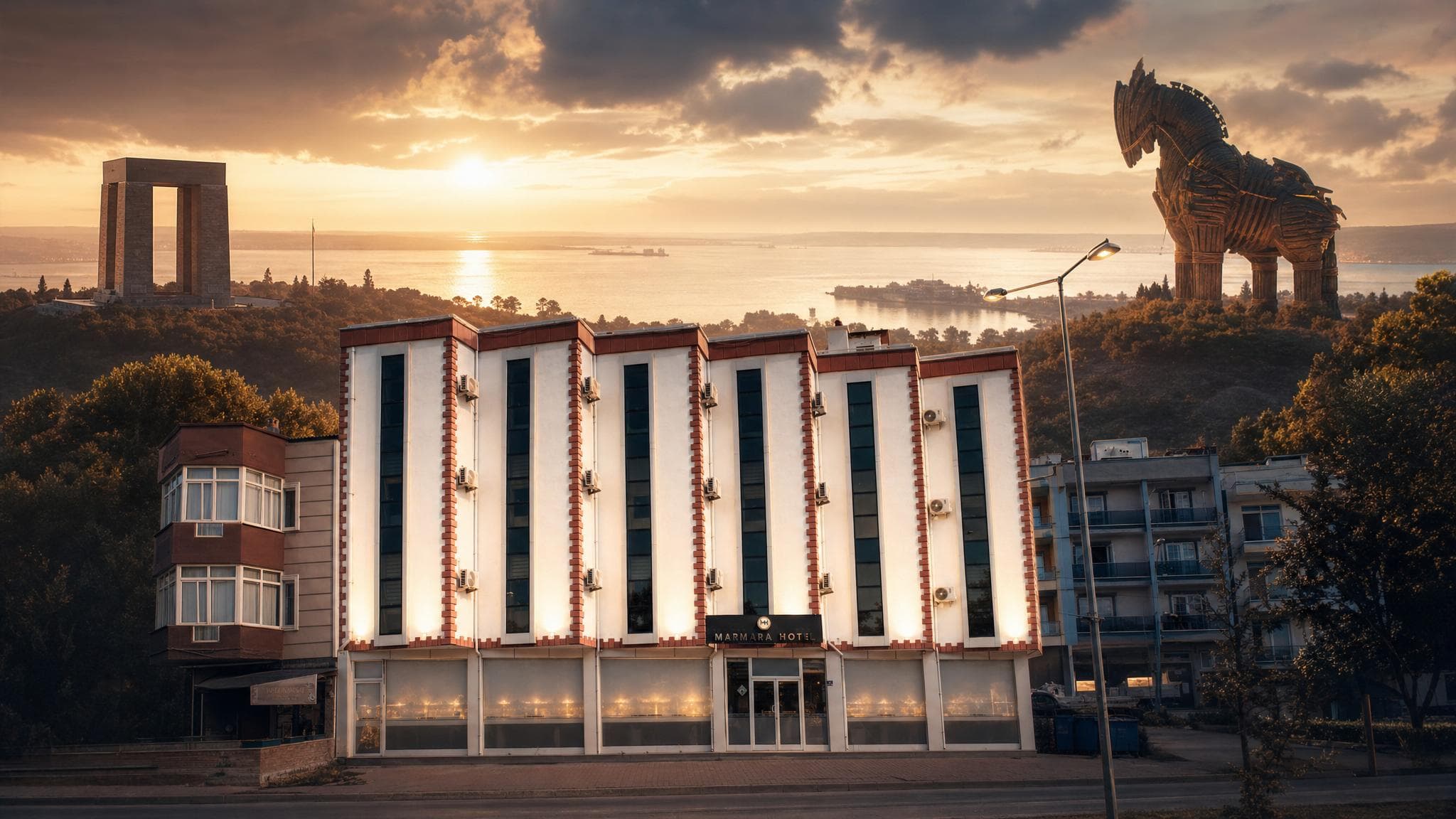
One thing holds true in every season: staying in the city centre makes your trip easier all year round. In summer you avoid the parking problem, in winter you are not driving long distances in poor weather, and on busy dates you walk rather than sit in traffic. Hotel Marmara has been at the same city-centre address since 1978. The waterfront and the Trojan Horse statue are a 5-10 minute walk, the Çanakkale Naval Museum a 10-15 minute walk. The ferry pier is central too, which makes crossings to Gallipoli and Kilitbahir straightforward. Troy Ancient City is roughly a 35-minute drive (32 km) and the airport about 14 minutes (9 km).
Frequently Asked Questions
What is the best season to visit Çanakkale?
For a history and culture trip, spring (April-June) and autumn (September-October) are the most balanced: good weather for sightseeing and manageable crowds. If you want to swim, July and August suit. If quiet and value matter most, consider the winter months.
What is it like to visit Çanakkale on 18 March?
On 18 March, the anniversary of the naval victory and the day commemorating the fallen, the city and the Gallipoli Peninsula fill with visitors and memorial ceremonies are held. It is a meaningful experience, but it is one of the region's busiest dates — we strongly recommend booking accommodation well in advance.
Which season is best for visiting Gallipoli?
Because the Gallipoli Peninsula is a large open area requiring a good deal of walking, spring and autumn are the most comfortable seasons. If you are visiting in summer heat, choose early morning or late afternoon and bring water and a hat.
Is Çanakkale worth visiting in winter?
Yes. The city is quiet, accommodation is affordable and the strait looks genuinely striking in winter. However, ferry services can be affected by windy conditions, so if you are planning Gallipoli or Bozcaada, keep your schedule flexible and confirm sailings in advance.
When should you visit Bozcaada?
Bozcaada is at its liveliest in summer, so July and August suit island and beach life. September is also delightful for those seeking the vineyards and a calmer island experience. As the island is reached by ferry, a return trip fills a day — plan your schedule accordingly.
How many days do you need in Çanakkale?
Two days are enough for the city centre and its immediate surroundings. Allow a full day for the Gallipoli Peninsula and half a day for Troy. If you also want to include Bozcaada or Assos, we recommend planning at least four to five days.