

Hotel Marmara · June 14, 2026
Things to Do in Çanakkale: A Complete Travel Guide
Troy, Gallipoli, Bozcaada, Assos and the city centre… Things to do in Çanakkale, how to get there, how many days you need and the best time to go — all in one guide.
Çanakkale: Where Two Continents and Three Thousand Years Meet
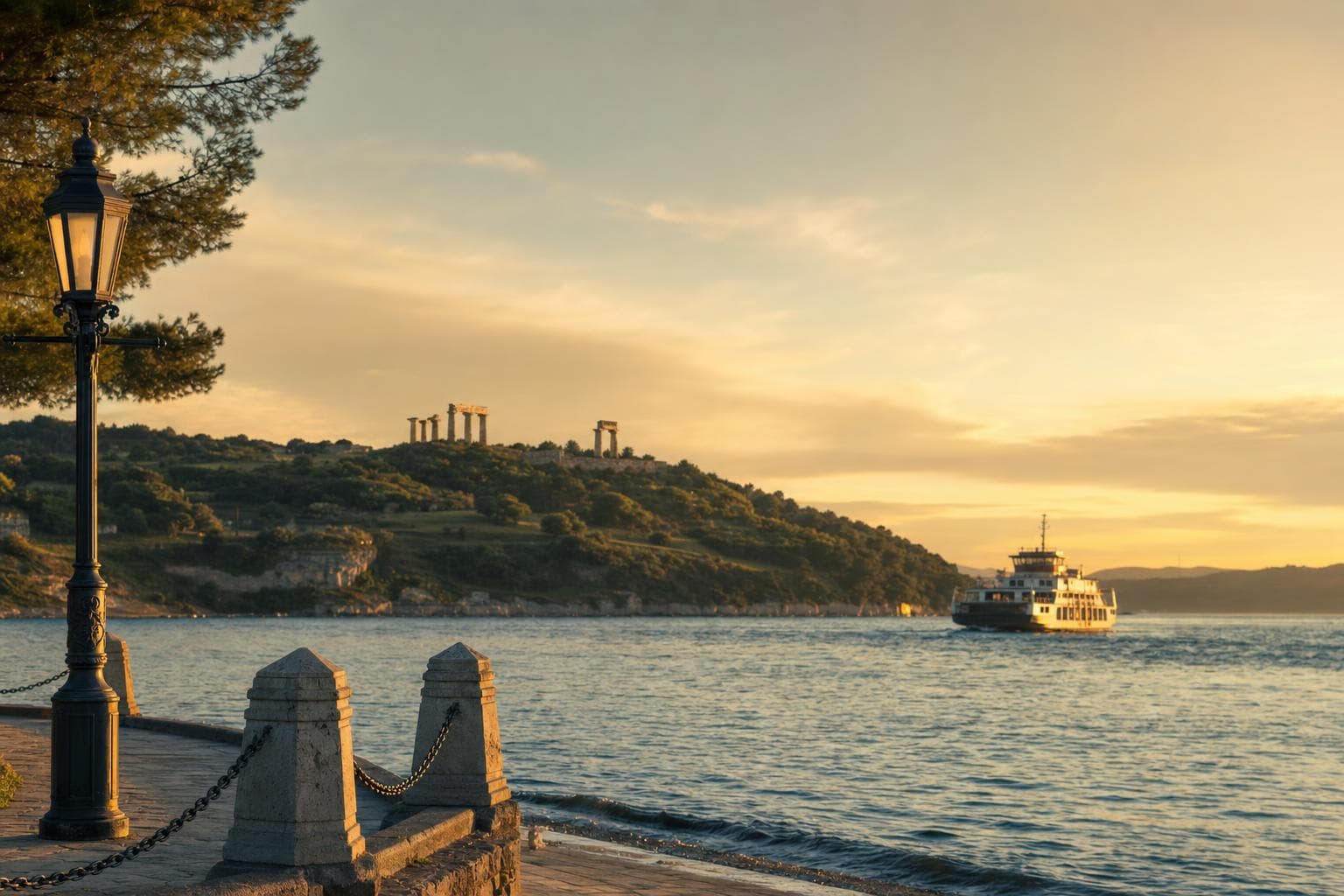
Çanakkale does what few cities in Turkey can: you can spend one day among the legends of ancient Troy, one in the solemn history of Gallipoli, and one on the deep-blue islands of the Aegean — all from a single base. Spread across both shores of the strait, this city brings Europe and Asia, myth and history, sea and land together in the same view. In this guide we have gathered, in plain language, the things to do in Çanakkale, how to get there, when it is best to go, and how many days you should set aside. And the natural starting point for all these routes is the city’s waterfront — right at the edge of the sea.
How to Get to Çanakkale
There is more than one way to reach Çanakkale. By road it is about five hours from Istanbul (shorter still via the bridge route on the Northern Marmara motorway), about three and a half hours from Izmir, and about three hours from Bursa. Ferries to the Asian shore of the city run for most of the day, and the crossing itself is a pleasure. For those who prefer to fly, Çanakkale Airport is very close to the centre — about fourteen minutes from our hotel. The 1915 Çanakkale Bridge, opened in 2022, has made arriving from the European side faster than ever; you can now cross the strait by bridge from the Istanbul direction and drive straight into the city.
Troy: Where the Legends Were Born
The first place that comes to mind at the mention of Çanakkale is, without doubt, the ancient city of Troy. This UNESCO World Heritage site — immortalised in Homer’s Iliad and famous worldwide for the legend of the wooden horse — is about a thirty-five-minute drive from the city centre. With its nine layers of successive civilisations, Troy is not just a ruin but a living cross-section of human history. The modern Troy Museum beside it completes the story with finds from the excavations; it is an engaging visit even for families with children. A comfortable half-day route: set off after breakfast and return to the city by the afternoon.
The Gallipoli Peninsula: On the Trail of the Çanakkale Campaign
On the opposite shore of the strait, the Gallipoli Peninsula is the part of a Çanakkale visit that stays with you the longest. One of the heaviest fronts of the First World War was fought here; today its memorials, cemeteries and museums are spread across a vast historic area that draws hundreds of thousands of people every year. Because there is so much to see, we recommend setting aside a full day for the peninsula and, if possible, joining a guided tour — hearing the story on the ground where it happened is something else entirely. The main stops include: the Martyrs’ Memorial, the 57th Infantry Regiment Cemetery, the Atatürk Monument at Chunuk Bair, Anzac Cove, the Kocadere Hospital Cemetery, the Corporal Seyit Monument, and Kilye Harbour with its gun batteries.
In Atatürk’s Footsteps: Bigalı Village and Chunuk Bair
Gallipoli is where Mustafa Kemal Atatürk rose to prominence as a commander, and the peninsula has several places where you can follow his trail. The Atatürk House in Bigalı Village, used as a headquarters during the war, is open today as a small museum. The Atatürk Monument at Chunuk Bair stands on one of the highest points of the peninsula and is a must-see for both its view and its historical significance. Farther south, Alçıtepe village and its Hospital Museum, along with the '1915 Red Crescent Hospital' re-enactment, help you picture how the field hospitals of the period actually worked.
Reliving the Battle, and Kilitbahir
For families with children and anyone who wants to feel the history more closely, the Çanakkale Battle Simulation Centre re-creates key moments of the campaign with light, sound and imagery; it is one of the most memorable stops of the trip. On this side of the strait, very close to the hotel, are Kilitbahir Village and its castle. The castle was built centuries ago to control the strait; today it is worth seeing for both its architecture and the view of Çanakkale across the water. It is reached by a short ferry ride and makes for an easy half-day outing.
Bozcaada and Assos: The Aegean’s Calm Side
Çanakkale is not only history; turn a little south and toward the sea and a completely different Aegean awaits. Bozcaada is famous for its vineyards, stone streets and quiet coves; reached by ferry, this small island is a favourite for those seeking wine and serenity. Assos (Behramkale), with the sea-facing view of its ancient Temple of Athena, its stone houses and its little harbour, is another route well worth seeing. Since these two spots are a little farther from the city centre, you may wish to add a day to your Çanakkale holiday and fold this calm side of the Aegean into your plan.
The City Centre and Waterfront
Between all these day trips, Çanakkale’s own centre is worth exploring too. The Trojan Horse statue that has become the symbol of the city — the wooden giant gifted to Çanakkale from the Brad Pitt film — stands on the waterfront, a 5-10 minute walk from our hotel. The Çanakkale Naval Museum is a 10-15 minute walk; here you can see relics from the strait battles and the famous Nusret Minelayer. Walking the promenade in the late afternoon, sitting at the fish restaurants, sipping tea at the seaside cafés are among the things people most love to do in Çanakkale. Staying in the centre, you reach all of them on foot, with no car or transfer to worry about.
How Many Days, and When to Go?
Two questions come up often: how many days, and which season? Two days can be enough for just the city centre and Troy; but if you also want to do Gallipoli justice, three days are more comfortable. Add Bozcaada or Assos and four days is wise. As for season, spring (April-June) and autumn (September-October) are the most ideal: mild weather, reasonable crowds, green countryside. Around 18 March (Martyrs’ Remembrance Day) and Anzac Day in April, Gallipoli becomes very busy — if you are coming for these dates, book your stay early. Summer is lovely for Bozcaada and the sea; winter, calm, misty and melancholic, has a beauty all its own for those who love it.
Where to Stay in Çanakkale
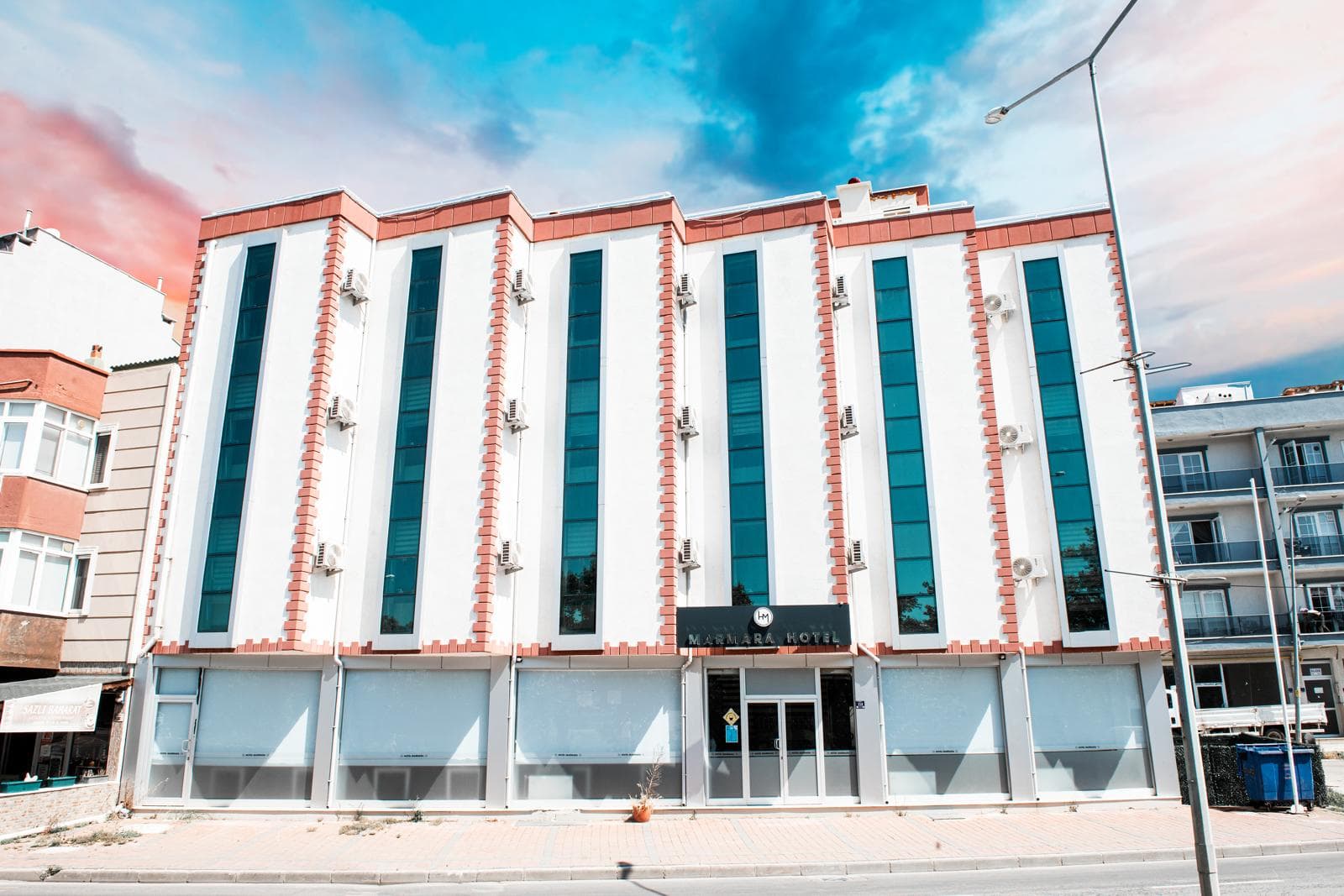
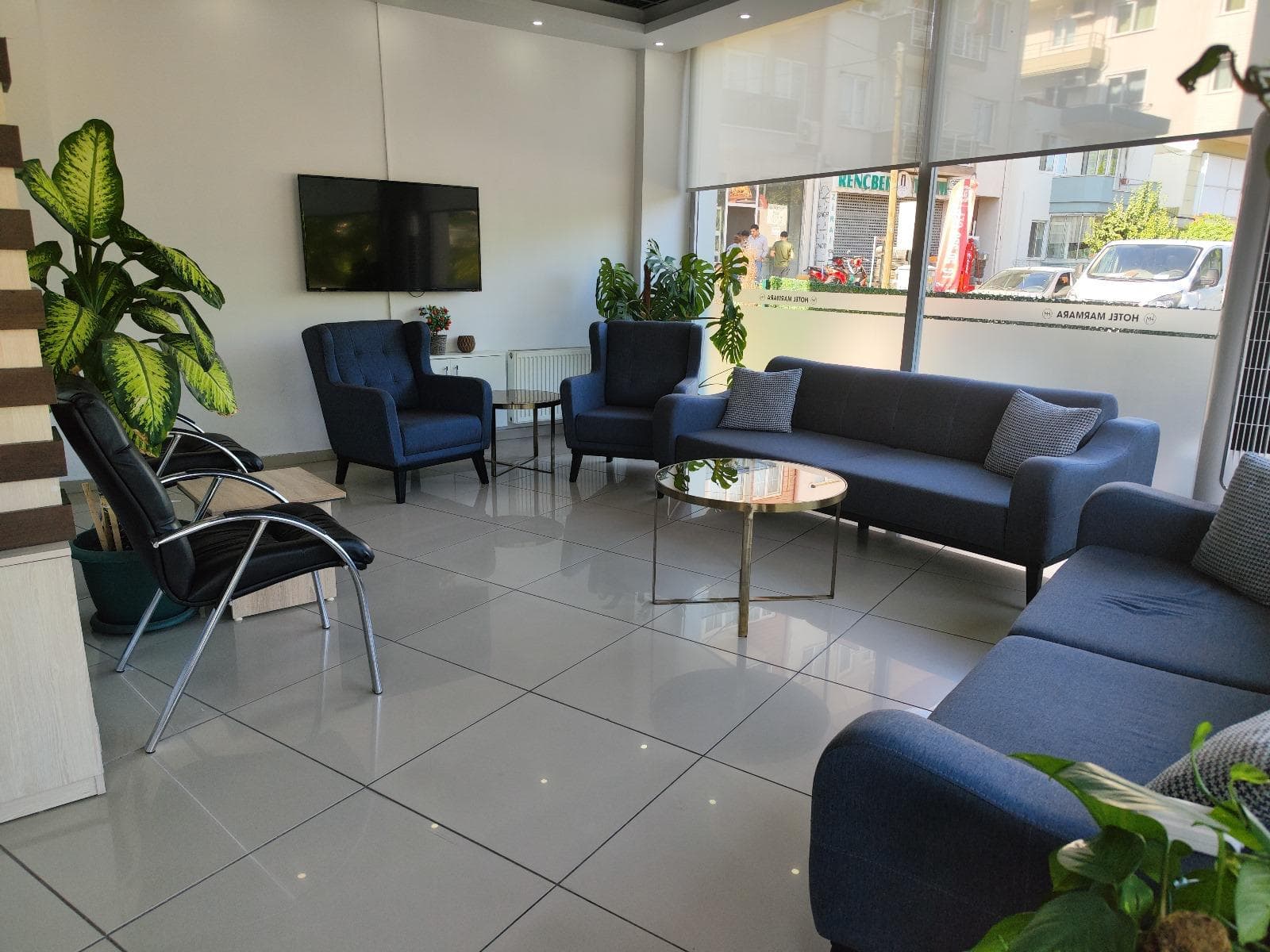
The easiest way to explore Çanakkale is to stay in the city centre — because trips to Troy, Gallipoli and the islands all begin from the centre and the ferry pier. Hotel Marmara is right here, in the centre on Demircioğlu Street; the waterfront and the ferry pier are a 5-10 minute walk. We have been a family-run hotel on this same spot since 1978. Setting off in the morning and returning in the evening to your air-conditioned room after a short walk is the biggest advantage of this location. Getting tour and transport tips from a reception that knows the area well makes things easier too.
Frequently Asked Questions
What are the most important places to see in Çanakkale?
Çanakkale’s highlights are: the ancient city of Troy and the Troy Museum, the Gallipoli Peninsula, the Trojan Horse statue and the Çanakkale Naval Museum in the centre, Kilitbahir Village and its castle, and the slightly farther Bozcaada and Assos (Behramkale). On the Gallipoli Peninsula you can visit the Martyrs’ Memorial, the 57th Infantry Regiment Cemetery, the Atatürk Monument at Chunuk Bair, Anzac Cove, the Kocadere Hospital Cemetery, the Corporal Seyit Monument, the Atatürk House in Bigalı Village, Alçıtepe village and its Hospital Museum, the 1915 Red Crescent Hospital re-enactment, the Çanakkale Battle Simulation Centre, Kilye Harbour and the gun batteries. The city offers history, mythology and the Aegean Sea all together.
How many days do you need to see Çanakkale?
Two days can be enough for just the city centre and Troy. To do the Gallipoli Peninsula justice, three days are more comfortable. If you add Bozcaada or Assos, setting aside four days is recommended.
How do you get to Çanakkale?
By road it is about 5 hours from Istanbul (faster via the 1915 Çanakkale Bridge route), about 3.5 hours from Izmir and about 3 hours from Bursa. Çanakkale Airport is very close to the centre (about 14 min from the hotel). Ferries run regularly between the two shores of the strait.
How do you get to Troy and Gallipoli from the centre?
The ancient city of Troy is about a 35-minute drive from the city centre. The Gallipoli Peninsula and the Martyrs’ Memorial make a day trip that includes the ferry crossing; although the journey takes about an hour, it is best to set aside a full day to tour the peninsula properly. Both are within reach to leave in the morning and return to the centre in the evening.
When is the best time to visit Çanakkale?
Spring (April-June) and autumn (September-October) are the most ideal: mild weather, reasonable crowds, green countryside. Summer is lovely for Bozcaada and the sea. Around 18 March and Anzac Day in April, Gallipoli is very busy; book early for these dates.
Where should you stay in Çanakkale?
The most practical option is to stay in the city centre, since trips to Troy, Gallipoli and the islands start from here. Hotel Marmara, in the centre with the waterfront and the ferry pier a 5-10 minute walk away and family-run from the same spot since 1978, is a convenient base for day trips.